Ludwig van Beethoven
Baptised 17 December 1770 – 26 March 1827
Piano Concerto No.5 in Eb
Op.73
Piano Trio No. 5
Op. 70, No. 1 "Ghost"
String Quartet No. 13 in B♭ Major
Op. 130
Symphony No. 5 in C minor
Op.67
Symphony No. 9 in D minor
Choral
Violin Sonata No. 5 in F major
Op. 24
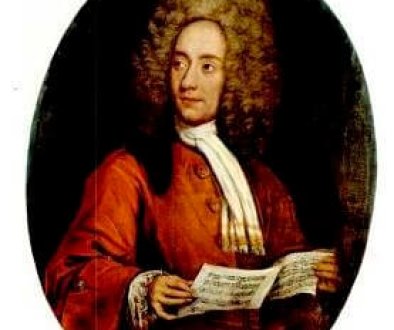
Ludwig van Beethoven By Joseph Karl Stieler – Google Arts & Culture, rotated and cropped to remove the potentially copyrighted photo of the frame., Public Domain, https://commons.wikimedia.org/w/index.php?curid=133271390
Ludwig van Beethoven was a German composer and pianist, widely regarded as one of the greatest figures in Western classical music. His work marks the transition from the Classical period, represented by composers such as Haydn and Mozart, to the more emotional Romantic era. Beethoven was born in Bonn and showed musical talent early on. His father taught him strictly, hoping to present him as a child prodigy. He studied with Christian Gottlob Neefe, who helped him publish his first compositions.
In 1792, Beethoven moved to Vienna, where he studied briefly with Joseph Haydn and built a reputation as a brilliant pianist. Around 1798, he began to lose his hearing. By 1802, he was distressed by his deafness, as described in a letter known as the Heiligenstadt Testament. Despite this, he continued composing. During his “heroic” period, he wrote powerful works such as the Third Symphony and the Fifth Symphony. Beethoven struggled with health issues and died in Vienna in 1827 at the age of 56, leaving a lasting impact on music.