October 7th
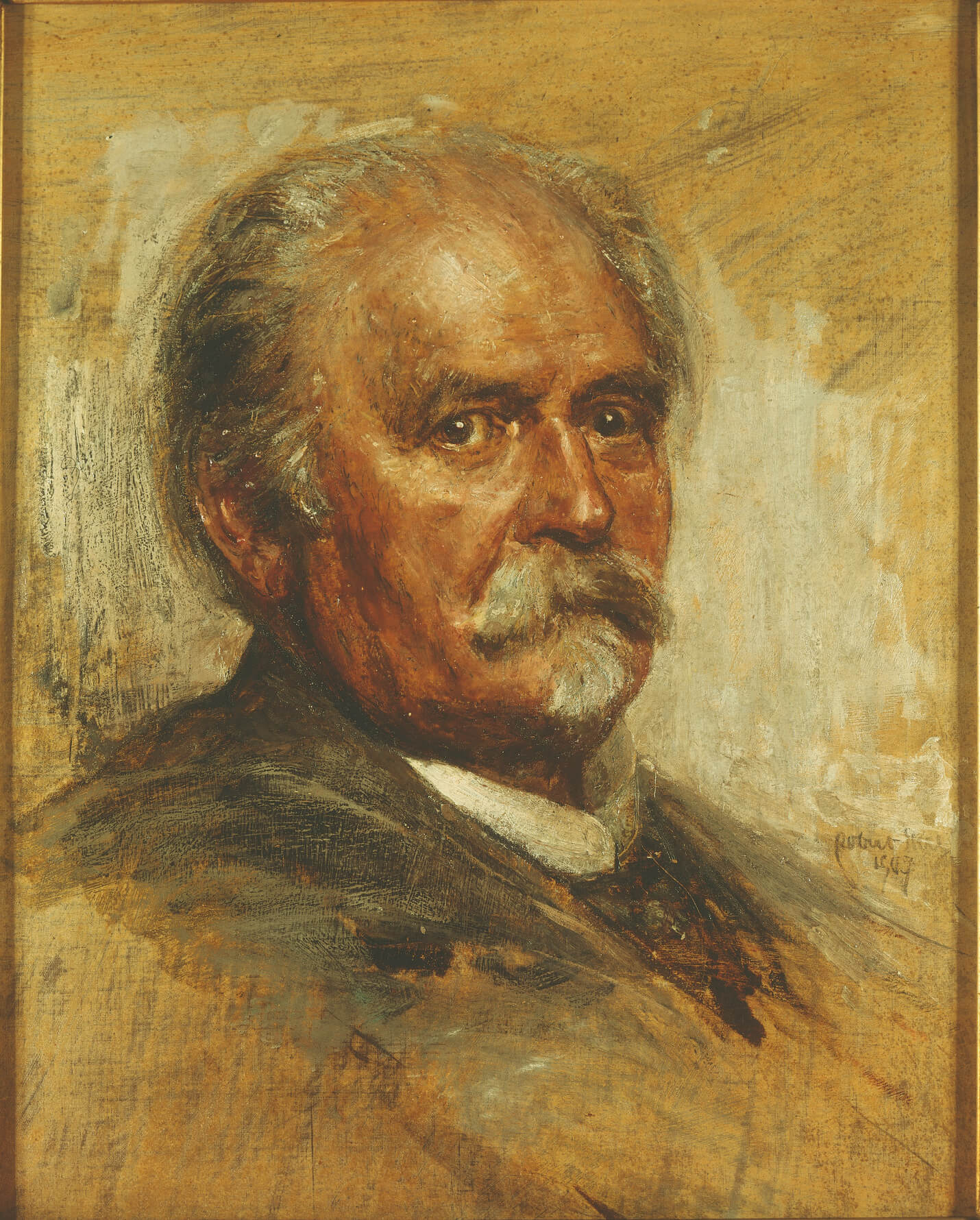
Felix Draeseke 7 October 1835 – 26 February 1913
Gudrun Overture
By Robert Sterl – http://www.deutschefotothek.de/documents/obj/70251299, Public Domain, https://commons.wikimedia.org/w/index.php?curid=1477192
Mart Saar was an influential Estonian composer, organist, and collector of folk songs, born on 28 September 1882. He grew up in a small village called Hüpassaare, where his father worked in forestry and taught him music at home. Saar attended local schools, studying under Joosep Kapp, another prominent composer. In 1901, he left for the Saint Petersburg Conservatory, where he graduated in 1908 and furthered his studies until 1911. Saar then became a music teacher in Tartu and moved to Tallinn in 1921 to work as a freelance composer.
During his life, Saar married twice and had three children. His music often combined the essence of Estonian folk traditions with newer styles, reflecting his deep love for Estonia’s nature. Some of his well-known works include “Oh Kodumaa” and “Küll ma Laulaks”. Saar’s compositions are celebrated for their emotional depth and often explore themes of life and nature. He passed away on 28 October 1963, leaving a lasting legacy in Estonian music.
*Old Style (O.S.) and New Style (N.S.) indicate dating systems before and after a calendar change, respectively. Usually, they refer to the change from the Julian calendar to the Gregorian calendar as enacted in various European countries between 1582 and 1923.
Dmitri Dmitriyevich Shostakovich was a significant Soviet composer and pianist, born on 25 September 1906 in Saint Petersburg, Russia. He gained fame after the premiere of his First Symphony in 1926. Shostakovich had a complicated relationship with the Soviet government, with his opera Lady Macbeth of Mtsensk initially being successful, but later condemned. This led to professional challenges, particularly under state censorship.
Throughout his career, Shostakovich produced numerous works, including 15 symphonies, string quartets, and concertos for various instruments. His music often featured striking contrasts and elements of the grotesque, influenced by other composers like Gustav Mahler. He also engaged with political themes, especially during and after the Second World War, using his music to comment on the struggles of his time.
After his passing, his reputation continued to grow. Many scholars explored the meaning behind his music, particularly its connection to his experiences under Soviet rule.
*Old Style (O.S.) and New Style (N.S.) indicate dating systems before and after a calendar change, respectively. Usually, they refer to the change from the Julian calendar to the Gregorian calendar as enacted in various European countries between 1582 and 1923.
Sir John Milford Rutter is a distinguished English composer, conductor, and record producer known for his exceptional choral music. Born on 24 September 1945 in London, Rutter’s musical journey began at Highgate School, where he was a chorister. He later studied music at Clare College, Cambridge, and became the director of music there from 1975 to 1979. In 1981, he founded the Cambridge Singers, a choir he conducts, and they have recorded many of his works.
Rutter’s compositions include popular Christmas carols, anthems, and significant pieces like the “Requiem” and “Gloria.” His music is celebrated for its melodic inventiveness and technical skill. Notably, his works have been performed at major events such as the wedding of Prince William and Catherine Middleton and the Coronation of King Charles III.
Despite facing health challenges in the late 1980s, Rutter’s influence in the world of music remains profound, and he continues to inspire musicians globally with his unique sound.

Sir Malcolm Henry Arnold was an English composer and conductor, born on 21 October 1921 in Northampton. He created a diverse range of music, including nine symphonies, numerous concertos, chamber music, and scores for over one hundred films, such as the award-winning The Bridge on the River Kwai. Arnold’s music is known for its lively rhythms and beautiful melodies. Growing up in a musical family, he learned to play the trumpet at age 12 and went on to study at the Royal College of Music. By his thirties, he had shifted his focus entirely to composition, becoming one of Britain’s most renowned composers alongside Benjamin Britten.
Throughout his career, Arnold also composed for the theatre, writing ballets and operas. However, his later years were clouded by personal struggles, including depression and alcoholism. Despite this, he continued to work, producing his last symphony in 1986. Arnold passed away on 23 September 2006, leaving a lasting legacy in the world of music, with festivals and schools dedicated to his memory continuing to celebrate his contributions.
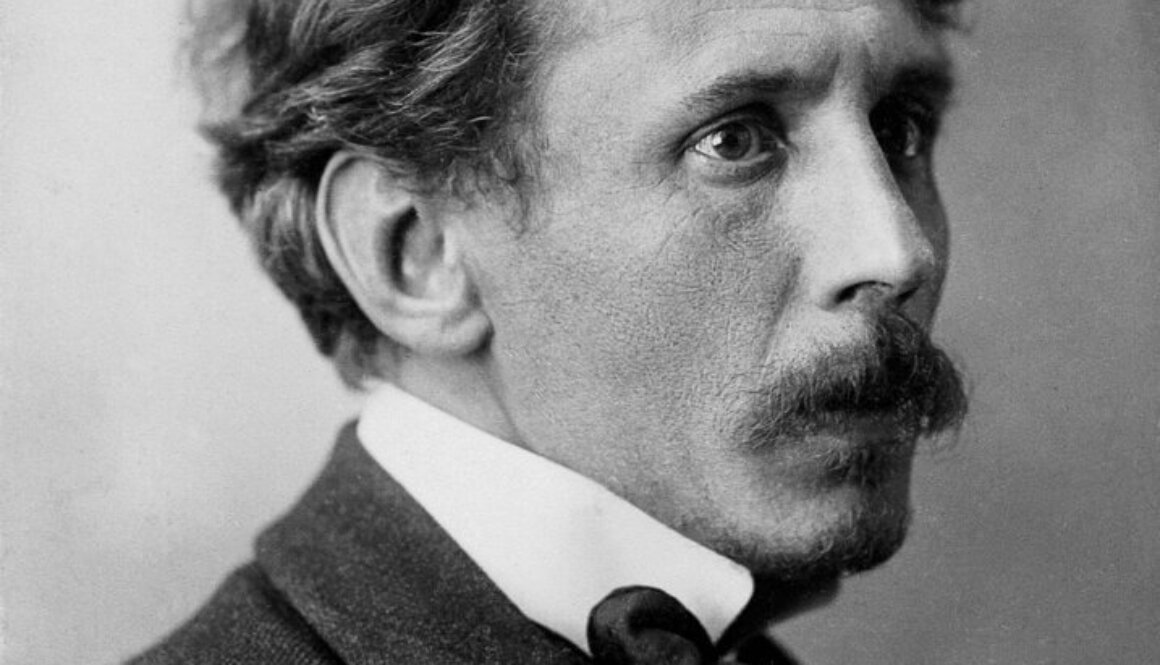
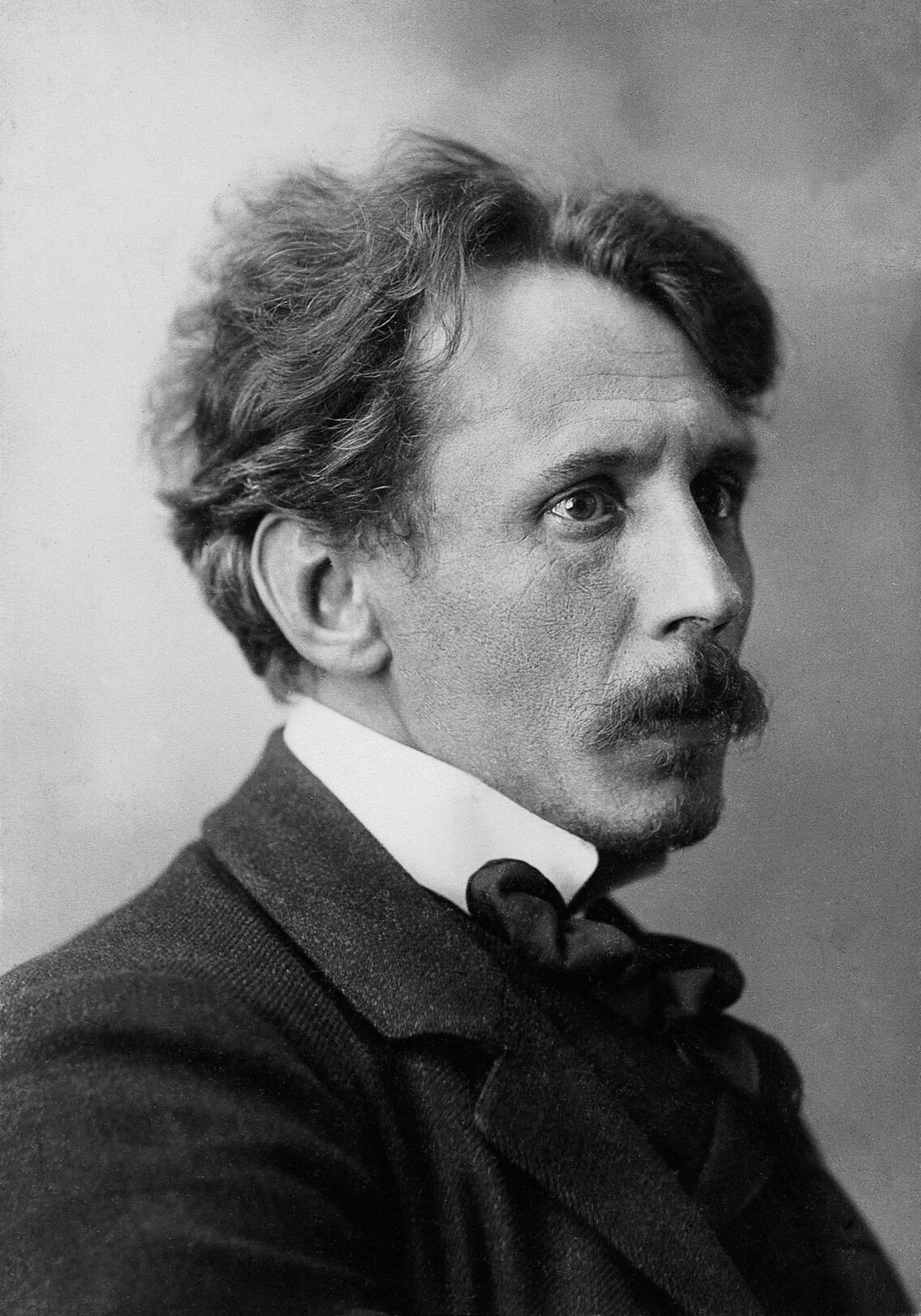
Mikalojus Konstantinas Čiurlionis was a remarkable Lithuanian artist born on 22 September 1875. He was not only a composer but also a talented painter and writer. Čiurlionis made significant contributions to the art movements of symbolism and Art Nouveau, becoming one of the pioneers of abstract art in Europe. Throughout his short life, he created around 400 musical pieces and nearly 300 paintings. His artwork is mainly displayed in the M. K. Čiurlionis National Art Museum in Kaunas, Lithuania, and he is celebrated for his lasting influence on Lithuanian culture.
Born in Senoji Varėna, he showed musical talent at a young age, impressing many with his ability to play the organ by ear when he was only five. After moving to Druskininkai, his father, an organist, helped nurture his skills. Čiurlionis studied music in Warsaw and later in Leipzig, where he expanded his knowledge and creativity. He is particularly known for his symphonic poems, such as “In the Forest” and “The Sea.” His folk songs brought Lithuanian traditions to life.
*Old Style (O.S.) and New Style (N.S.) indicate dating systems before and after a calendar change, respectively. Usually, they refer to the change from the Julian calendar to the Gregorian calendar as enacted in various European countries between 1582 and 1923.