October 19th
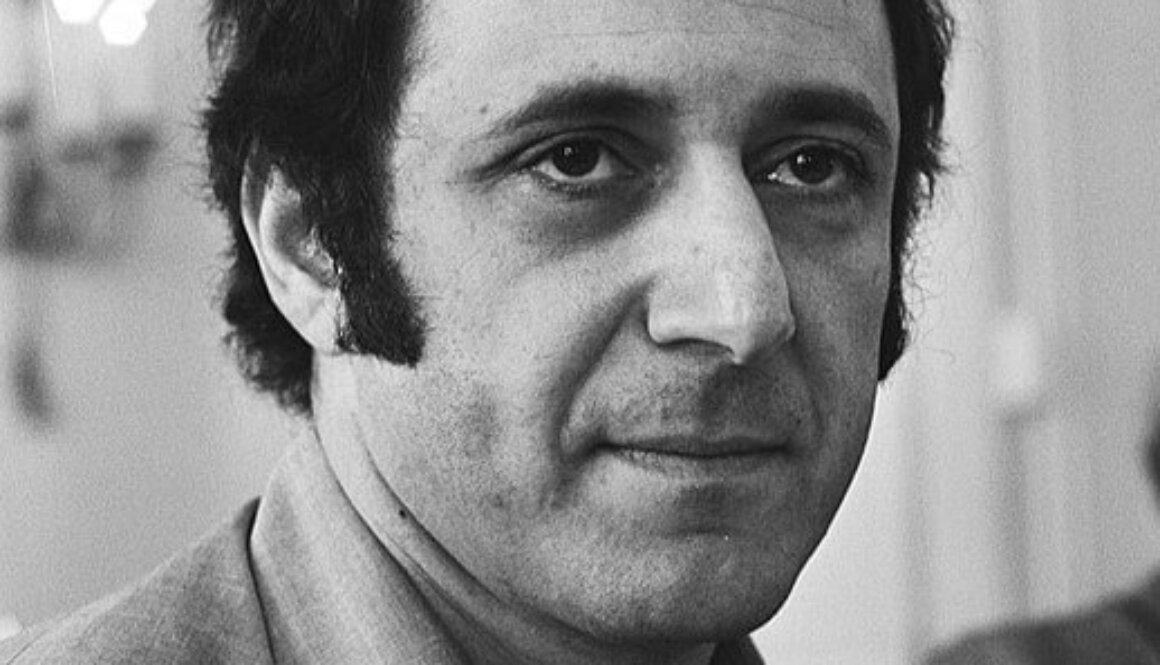
Mahmoud Zoufonoun 1 January 1920 – 19 October 2013
Pessaram Amin For my son, Amin
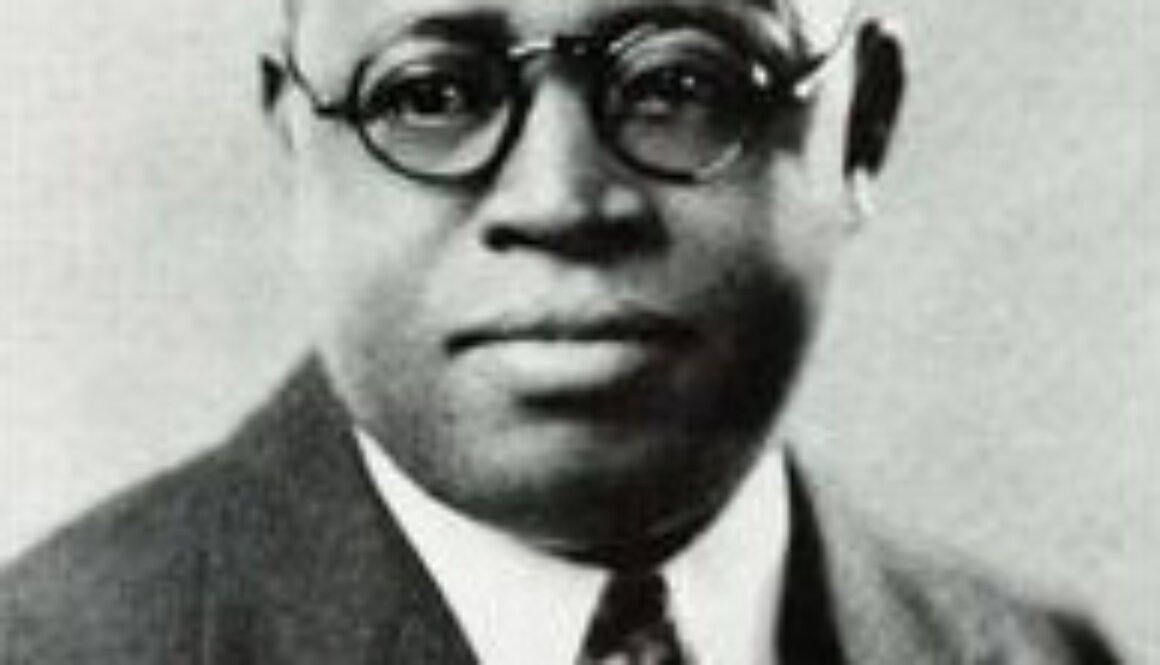
Public Domain, https://commons.wikimedia.org/w/index.php?curid=737150
Eleanor Deanne Therese Alberga OBE, born on 30 September 1949 in Kingston, Jamaica, is a notable contemporary music composer now residing in the UK. From a young age, Eleanor aspired to be a concert pianist and began writing music at just five years old. After completing her studies at the Jamaica School of Music, she moved to London on a scholarship to the Royal Academy of Music, where she honed her skills under the guidance of Richard Stoker.
Throughout her career, Alberga has composed numerous works, including two Violin Concertos, a Trumpet Concerto, and a Symphony. She has shared her passion for music as a guest lecturer at the Royal Academy of Music and has worked with various prestigious orchestras, such as the Royal Philharmonic and London Philharmonic.
In 1992, she married violinist Thomas Bowes, and they perform together under the name Double Exposure. Alberga’s contributions to music have not gone unnoticed; in 2021, she was honoured as an Officer of the Order of the British Empire (OBE) for her remarkable services to music.

Mike Post, born Leland Michael Postil on September 29, 1944, is a renowned American composer celebrated for his captivating television theme music. He has created memorable themes for popular shows such as The Rockford Files, Law & Order, and Magnum, P.I. His musical journey began early; he first made waves with the hit single “Popsicles and Icicles” in 1964. By age 23, he won his first Grammy Award for the instrumental arrangement of “Classical Gas.”
Post’s contributions to television music are significant. He earned acclaim for the theme of The Rockford Files, which became a hit, reaching number 10 on the U.S. charts. His innovative sound for the Law & Order series, marked by the iconic “dun, dun,” has become widely recognised in popular culture. Over the years, he has collaborated with well-known artists like Kenny Rogers and Dolly Parton, and even composed for BBC’s sitcom Mammoth. His work continues to influence the world of television music.
Vincent Millie Youmans was a celebrated American composer and producer born on September 27, 1898, in New York City. He became one of Broadway’s leading composers, known for his collaborations with talented lyricists like Ira Gershwin and Oscar Hammerstein II. Youmans created memorable music, many of which became popular standards. His early pieces featured short melodic phrases, but he later embraced longer, more complex melodies.
Youmans began his career as a song-plugger in Tin Pan Alley and gained fame with his hit songs from musicals such as “No, No, Nanette” and “Tea for Two,” which captured the hearts of audiences worldwide. Despite his success, Youmans faced challenges in his personal life, including struggles with alcoholism and health issues. Sadly, he battled tuberculosis for many years, which ultimately led to his retirement in 1934.
Nuno Duarte Gil Mendes Bettencourt, born on September 20, 1966, in Portugal, is a talented Portuguese-American guitarist, best known as the lead guitarist of the rock band Extreme. He joined this Boston-based group in 1985 and contributed to their debut album, “Extreme,” released in 1989. Bettencourt’s exceptional skills earned him accolades, including recognition as the 197th greatest guitarist of all time by Rolling Stone magazine.
Beyond Extreme, Bettencourt has been involved in various musical projects, such as Mourning Widows, DramaGods, and Satellite Party. He has worked with famous artists like Janet Jackson and Dweezil Zappa, showcasing his versatility in the music industry. Nuno’s distinct style and innovative guitar playing continue to influence many aspiring musicians today. He remains a celebrated figure in rock music history.
Hans Zimmer, born on 12 September 1957 in Frankfurt, Germany, is a celebrated film composer and music producer. He has created the music for over 150 films, winning two Academy Awards, a BAFTA, and five Grammy Awards. Zimmer’s most notable works include the scores for The Lion King (1994) and Dune (2021), both of which earned him Oscars for Best Original Score. He is renowned for blending electronic music with traditional orchestral sounds, revolutionising film scores since the 1980s.
Zimmer began playing the piano as a child, but disliked formal lessons, preferring to teach himself. His passion for film music grew when he listened to his favourite film composer, Ennio Morricone. He moved to London as a teenager and started his career writing advertising jingles, eventually collaborating with film directors like Christopher Nolan on multiple occasions. His innovation and creativity have made his music iconic, enhancing many beloved films and influencing future composers around the world.
Neil Chotem was a celebrated Canadian composer, arranger, conductor, pianist, and music educator, born on 9 September 1920 in Saskatoon. He began his piano studies at the young age of five and went on to have a remarkable career. Chotem’s music is known for its tonal qualities and influences from jazz and popular music. He composed for television and radio, working with prominent Canadian artists like Maureen Forrester and Paul Piché. His achievements included a Montreal Festival du disque prize in 1968 for a collaborative LP called 3-12.
During World War II, Chotem served in the Royal Canadian Air Force, but his career continued to flourish after the war in Montreal. He performed as a concert pianist and worked as a conductor with several orchestras. His talent extended to arranging music for the progressive rock band Harmonium. Besides performing, he was passionate about teaching, sharing his knowledge with students at various Canadian universities.
Charles Parker Jr., known as “Bird”, was an American jazz musician born on August 29, 1920. He played the alto saxophone and became one of the most important figures in jazz history. Parker was a key developer of bebop, a style of jazz that is fast-paced and highly intricate. His innovative approach introduced new rhythms, fast chord changes, and unique harmony in his music.
Parker was raised in Kansas City, where he began playing the saxophone at the age of 11. His love for music grew as he joined local jazz bands and participated in jam sessions. He faced many challenges, including his father’s struggles with alcoholism and his own addiction to drugs later in life. Despite these challenges, Parker’s talent shone through and he made significant contributions to music.
His compositions, such as “Yardbird Suite” and “Ornithology”, are still celebrated today. Parker’s music transformed jazz into an expressive art form and he inspired many musicians.