
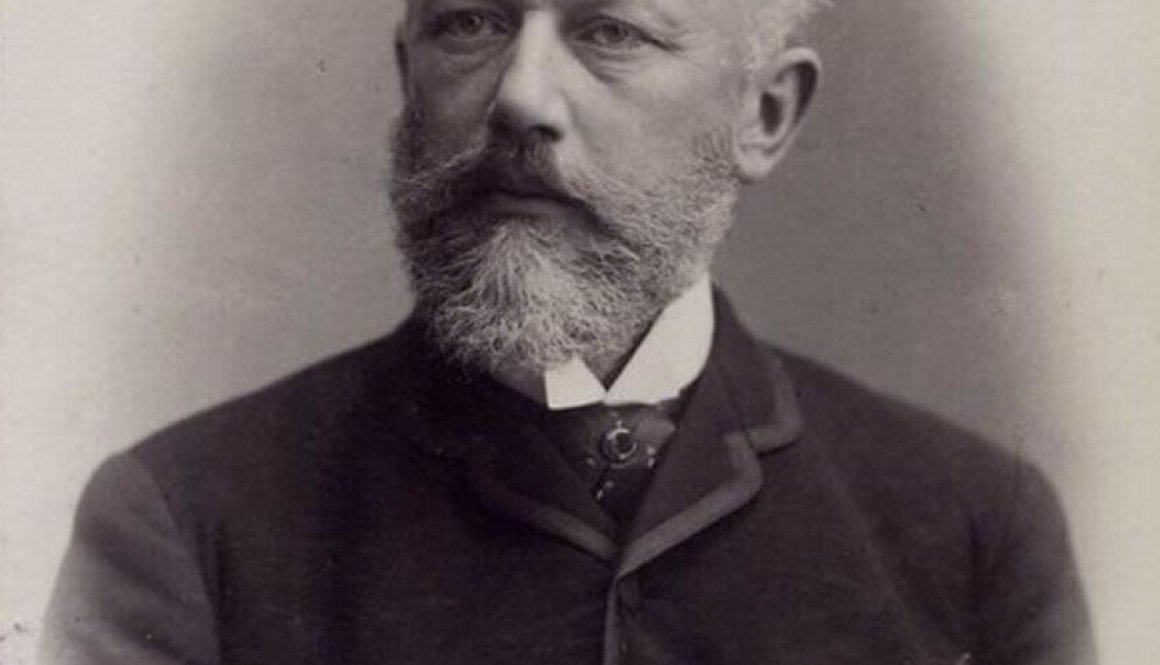
Pyotr Ilyich Tchaikovsky – The Sleeping Beauty
Pyotr Ilyich Tchaikovsky 7 May 1840 – 6 November 1893
The Sleeping Beauty

By Émile Reutlinger – NYPL Digital Gallery — Image ID: 1158492, Public Domain, https://commons.wikimedia.org/w/index.php?curid=118529244
The Sleeping Beauty is a famous ballet composed by Pyotr Ilyich Tchaikovsky in 1889. It features a prologue and three acts, telling the story of Princess Aurora, who falls into a deep sleep due to a curse from the evil fairy Carabosse. The Lilac Fairy, representing good, intervenes to protect Aurora. The ballet premiered at the Mariinsky Theatre in St. Petersburg on January 15, 1890. Tchaikovsky was inspired by Charles Perrault’s fairy tale, La Belle au bois dormant, and incorporated characters from other stories, such as Cinderella and Little Red Riding Hood. The ballet showcases the conflict between good and evil, with music that enhances the emotional depth of the narrative. Marius Petipa, the choreographer, created intricate dances that reflect the characters’ personalities. The ballet’s themes include love, redemption, and the triumph of good over evil. Over the years, The Sleeping Beauty has been performed worldwide, gaining acclaim for its beautiful choreography and enchanting music. It remains a significant work in the ballet repertoire, illustrating the cultural importance of ballet in storytelling.
Pyotr Ilyich Tchaikovsky, born on 7th May 1840 in Votkinsk, Russia, was a prominent composer of the Romantic era. He is famous for creating iconic works such as the ballets “Swan Lake” and “The Nutcracker,” as well as the “1812 Overture.” Tchaikovsky was unique as he was the first Russian composer to gain international fame for his music. Initially trained for a civil service career, he later pursued his passion for music at the Saint Petersburg Conservatory, graduating in 1865.
Throughout his life, Tchaikovsky faced personal challenges, including struggles with depression and the loss of loved ones. His experiences deeply influenced his compositions, which often demonstrated a blend of Russian traditions and Western styles. Despite various criticisms during his lifetime—some critics doubting the authenticity of his Russian identity—Tchaikovsky’s music continues to resonate with audiences globally. He died on 6th November 1893, leaving behind a legacy that has shaped classical music for generations.

