
Camille Saint-Saëns (1835 – 1921) – Op. 40, Danse macabre
Camille Saint-Saëns 9th October 1835 – 16th December 1921
Danse macabre Op. 40

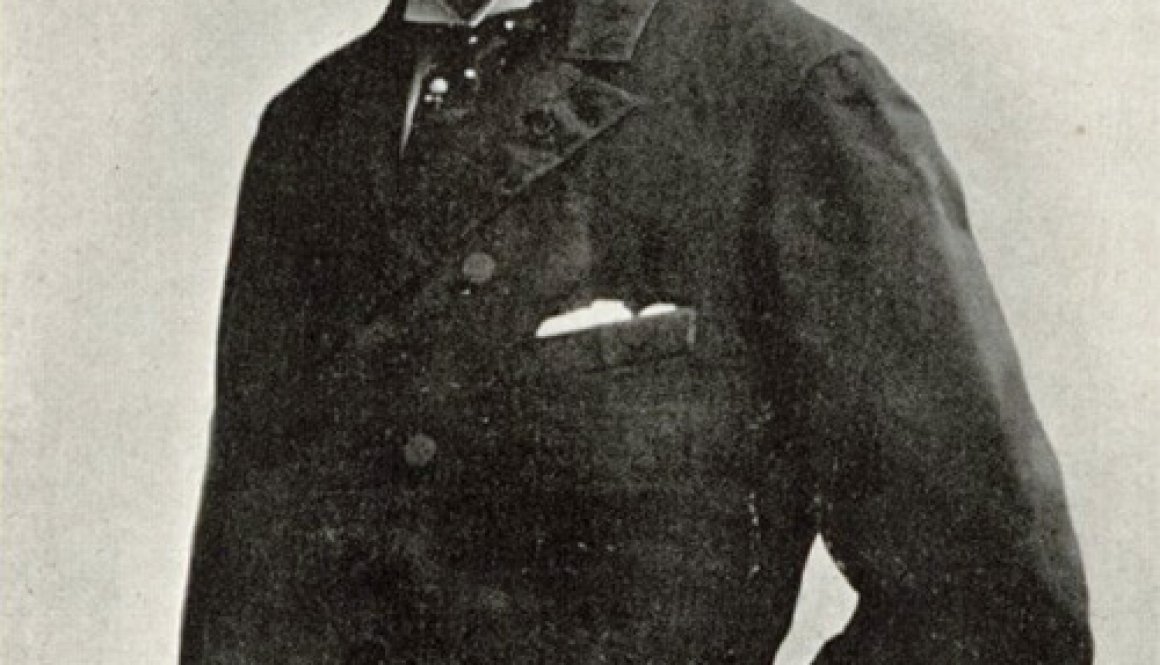
By Charles Reutlinger (1816–81) – Bibliothèque nationale de France, département Musique, Public Domain, https://commons.wikimedia.org/w/index.php?curid=61676485
This symphonic poem tells a spooky story through music. At midnight, Death appears and summons skeletons from their graves. He plays a solo violin, like a fiddler, while the orchestra creates a ghostly dance.
First, a harp sounds one note twelve times, suggesting the strokes of midnight. Soft strings build suspense. The violin’s strange pitch helps create an unsettling mood, while a minor key makes the music sound dark. The flute introduces a theme, or musical idea, followed by a descending violin melody. As the tempo and dynamics grow, the full orchestra becomes more energetic. The xylophone imitates rattling bones, and repeated motifs make the dance seem hypnotic.
Near the middle, woodwind instruments play a famous chant. Then the music reaches a powerful climax before stopping suddenly. In the coda, an oboe copies a cockerel’s crow. Dawn has arrived, so the skeletons return to their graves.