October 19th
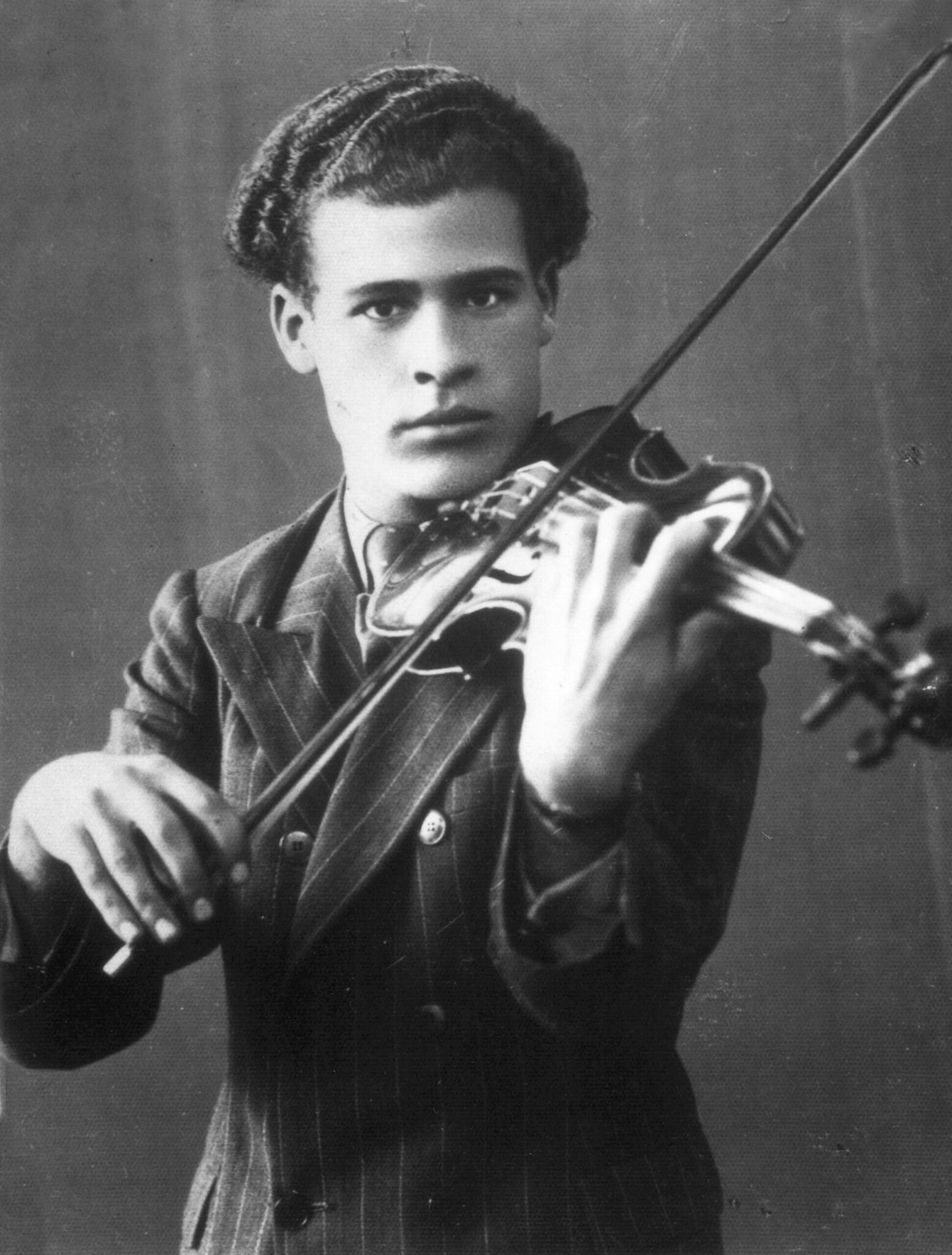
Mahmoud Zoufonoun 1 January 1920 – 19 October 2013
Pessaram Amin For my son, Amin
Public Domain, https://commons.wikimedia.org/w/index.php?curid=737150
Robert Marcel Casadesus was a celebrated French pianist and composer, born on 7 April 1899 in Paris. Coming from a remarkable musical family, he studied at the Conservatoire under the guidance of Louis Diémer. There, he won several prestigious awards, including the Premier Prix in 1913. Casadesus was deeply influenced by his uncle, Lucien Capet, a prominent quartets leader, which sparked his love for chamber music.
In 1922, he began working with famous composer Maurice Ravel, and they performed together across Europe. Casadesus married pianist Gaby L’Hôte in 1921, and they often played as a duo. As a teacher at the American Conservatory during the war, he influenced many students. His last major work, Symphony No. 7, was completed shortly before his death on 19 September 1972. Renowned for his delicate style, Casadesus excelled in interpreting the works of Mozart and left a lasting legacy in the world of classical music.
Juliette Nadia Boulanger was a remarkable French music teacher, conductor, and composer, born on 16 September 1887 in Paris. Growing up in a musical family, she excelled at the Conservatoire de Paris but initially believed she lacked the talent to compose. Instead, she chose to teach and inspired many future musicians, especially in the United States and the UK. Her students included famous composers such as Aaron Copland, Philip Glass, and Quincy Jones. Boulanger was a trailblazer, becoming the first woman to conduct several major orchestras in America and Europe.
Throughout her long life, she taught in prestigious institutions like the Juilliard School and the Royal Academy of Music. Despite losing her sister Lili, also a talented composer, Boulanger continued to share her passion for music. She believed that dedication was essential for success and encouraged her students to embrace their unique voices. Boulanger’s influence on music remains profound, with her legacy enduring through her numerous students and their contributions to the art.
Louise Farrenc was a remarkable French composer, virtuoso pianist, and teacher of the Romantic period. Born Jeanne-Louise Dumont in Paris on 31 May 1804, she was the daughter of a successful sculptor and began piano lessons at an early age. Her talent led her to study with renowned musicians, including Anton Reicha, who taught her composition privately because women were not allowed in traditional classes at that time.
In 1821, she married Aristide Farrenc, with whom she performed concerts across France. After a brief hiatus, she returned to music and gained fame in the 1830s. In 1842, she became the first woman to be appointed a permanent Professor of Piano at the Paris Conservatory, where she taught for thirty years. Despite her achievements, she initially earned less than her male colleagues.
Farrenc composed three symphonies, numerous chamber music works, and piano music, earning recognition for her unique contributions to the world of music. Her legacy continues to inspire musicians today.

Lucien Denis Gabriel Albéric Magnard was a notable French composer born on 9 June 1865 in Paris. He was influenced by prominent composers such as César Franck and Vincent d’Indy. Magnard chose a life in music, despite his family’s wealth, turning away from the easy life that his father’s fame provided. After finishing law school, he pursued music at the Paris Conservatoire, where he learned from d’Indy and developed his unique style. He dedicated two symphonies to his mentor, highlighting their strong professional bond.
During World War I, Magnard became a national hero when he bravely defended his home from German soldiers. While ensuring his family was safe, he stood his ground when the soldiers invaded. Tragically, his efforts led to his death, as he perished in the fire that consumed his estate, destroying many of his unpublished works. Despite his relatively small output, consisting of symphonies, operas, and chamber music, Magnard’s legacy continues through his powerful compositions, which blend French melodies with intricate structures reminiscent of his influences.
Achille Claude Debussy was a renowned French composer born on 22 August 1862 in Saint-Germain-en-Laye. Recognised for his innovative style, he is often associated with Impressionism, although he rejected this label. Debussy displayed musical talent early on, entering the prestigious Conservatoire de Paris at just ten years old, where he studied piano and composition.
His groundbreaking opera, Pelléas et Mélisande, premiered in 1902 and earned him international acclaim. Debussy’s compositions include orchestral works like Prélude à l’après-midi d’un faune and La mer. He sought to break free from traditional symphonic forms, favouring evocative imagery in his music. Inspired by a range of influences, including Russian and Eastern music, he developed unique harmonies that challenged the musical norms of his time.
Debussy’s music continues to inspire many composers today, leaving a significant mark on the world of classical music.
Marie-Juliette Boulanger, known as Lili Boulanger, was born on 21 August 1893 in Paris. A talented composer and musician, she made history as the first woman to win the prestigious Grand Prix de Rome composition prize. Growing up in a musical family, Lili showed exceptional ability from a young age. By the time she was just two, she could sing melodies and read music before she could read words. Encouraged by her parents, particularly her sister Nadia, Lili studied a variety of instruments, including the piano, violin, and harp.
Despite facing serious health issues throughout her life, Lili’s creativity flourished. In 1913, she won the Grand Prix de Rome with her cantata “Faust et Hélène.” Her music is known for its vibrant harmonies and emotional depth. Sadly, Lili died young on 15 March 1918, but her legacy lives on, inspiring many musicians and composers today. Lili Boulanger’s story reminds us of the power of music and determination.
Henri Frédien Tomasi was a French classical composer and conductor, born on 17 August 1901 in a working-class neighbourhood of Marseille. His parents, originally from Corsica, instilled in him an early appreciation for music, and he began piano lessons at a young age. As a bright student, he won first prize in harmony by the age of fifteen. Tomasi’s early dreams of becoming a sailor led him to skip many music classes, but he later found success in both composition and conducting.
In the 1920s, he studied at the Conservatoire de Paris and won several prestigious awards for his compositions. Tomasi became known for works such as ‘In Praise of Folly’ and ‘Nuclear Era’, reflecting his disillusionment with society after World War II. His compositions often drew from diverse influences and cultures, from Corsican melodies to modernistic styles. Throughout his career, Tomasi’s innovative spirit and lyrical style left a significant impact on classical music. He passed away on 13 January 1971