June 13th
Benny Goodman 30 May 1909 – 13 June 1986
Sing, Sing, Sing (With a Swing)
By Photo by Jammes J. Kriegsmann, New York – Original text : eBayfrontback), Public Domain, https://commons.wikimedia.org/w/index.php?curid=49409127
Miles Davis was an influential American jazz musician, known for his incredible trumpet playing and innovative style. Born on May 26, 1926, in Alton, Illinois, Davis showed a passion for music from a young age. He studied at the Juilliard School in New York City but soon found his true calling in jazz.
Davis was a leader in the evolution of jazz music. He created several important albums, such as “Kind of Blue,” which is considered one of the greatest jazz records of all time. His music often blended different styles, including bebop, cool jazz, and jazz fusion, making him a versatile artist.
Throughout his career, Miles collaborated with many other famous musicians and inspired countless artists around the world. He was known for his unique sound and ability to push musical boundaries. Davis’s contributions to jazz helped shape its development, leaving a lasting legacy that continues to influence musicians today.

Christopher Tin is a talented composer and musician from the United States. He is best known for creating video game music, but his work spans many different areas, including film and classical music. Tin was born in 1976 and began playing music at a young age. He studied at Stanford University and then continued his education at the Royal Academy of Music in London.
His most famous piece, “Baba Yetu,” was composed for the video game Civilization IV. The song is unique because it combines African music with choral singing in Swahili, which helped it gain worldwide popularity. In 2011, “Baba Yetu” won a Grammy Award, making Christopher Tin the first video game composer to receive such an honour.
Tin’s music is loved by many, and he aims to inspire people through his compositions. His ability to blend different cultures and styles makes his work truly special.
[P&P], Public Domain, https://commons.wikimedia.org/w/index.php?curid=1550180
Louis Moreau Gottschalk was an American composer and pianist born in New Orleans on May 8, 1829. He grew up in a house filled with music, as his family included many musicians. By the age of 13, Gottschalk left for Europe to pursue classical training. Despite being rejected by the Paris Conservatoire, he later became successful, composing unique pieces that combined European styles with American influences, such as Bamboula and La Savane. His works reflected his experiences with Louisiana’s diverse musical traditions, making him a significant figure in early American classical music.
Gottschalk travelled extensively, performing over 1,000 concerts, but he faced challenges, including controversies that forced him to leave the United States. Tragically, in November 1869, he collapsed during a concert in Brazil and died shortly after. Today, Gottschalk is remembered for his innovative contributions to music, and his compositions continue to inspire musicians around the world.
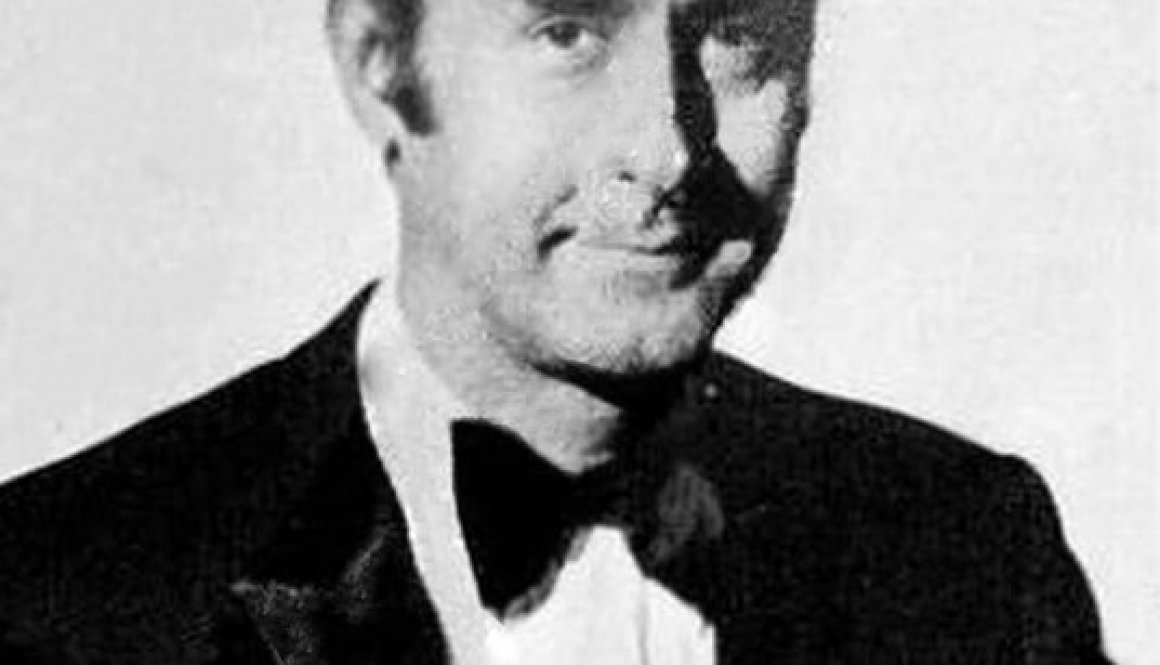
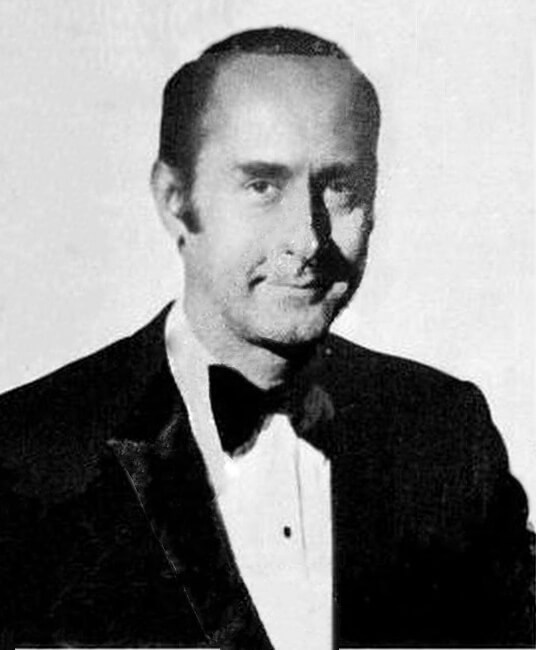
Henry Mancini (1924 – 1994) was an American composer famous for his music in films and television. Born in Cleveland, Ohio, he had a talent for music from a young age. After studying at the Juilliard School and serving in the U.S. Army during World War II, Mancini joined the Glenn Miller Orchestra, which shaped his style.
His big break came in the 1950s when he worked with Universal-International, creating memorable film scores. Mancini became well-known for his music in The Glenn Miller Story and his collaboration with director Blake Edwards. Iconic scores such as Peter Gunn and the famous “Moon River” from Breakfast at Tiffany’s earned him numerous awards, including four Academy Awards.
Mancini’s unique blend of jazz and orchestral music made his work timeless, influencing many composers to follow. His legacy continues to inspire musicians and is appreciated by audiences worldwide.
Herbie Hancock, born on April 12, 1940, is an extraordinary American jazz musician famous for his skills as a pianist, composer, and bandleader. His music blends jazz, funk, and electronic genres, which makes him a prominent figure in modern music. Starting at just seven years old, Hancock showcased his talent by performing Mozart’s Piano Concerto with the Chicago Symphony Orchestra when he was eleven. He later studied music and engineering in college.
In 1963, Hancock joined the celebrated Miles Davis Quintet, where he helped reshape jazz with new sounds and styles. His solo albums, like Maiden Voyage and Head Hunters, pushed musical boundaries and featured innovative rhythms and synthesizers. Throughout his career, he embraced different genres, collaborating with artists from Joni Mitchell to Stevie Wonder. His adventurous spirit and use of technology have made him a lasting icon in music. Today, Hancock continues to inspire new generations as a performer and educator.