
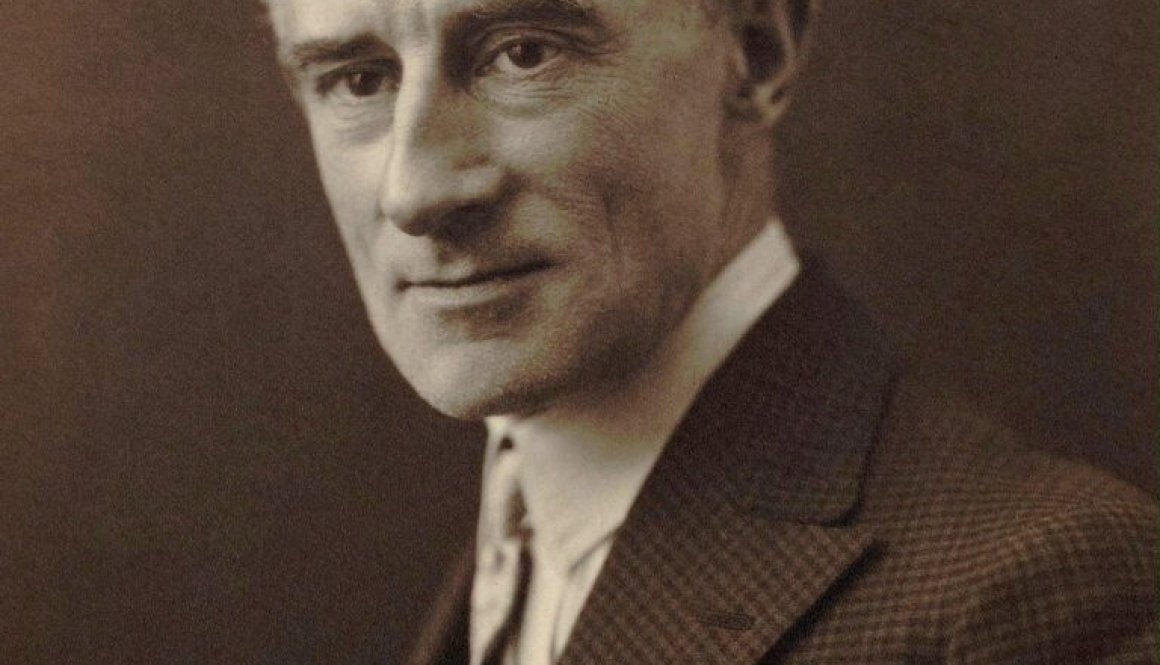
March 7th: Maurice Ravel
Maurice Ravel 7 March 1875 – 28 December 1937
Pavane pour une infante défunte Pavane for a Dead Princess
Boléro
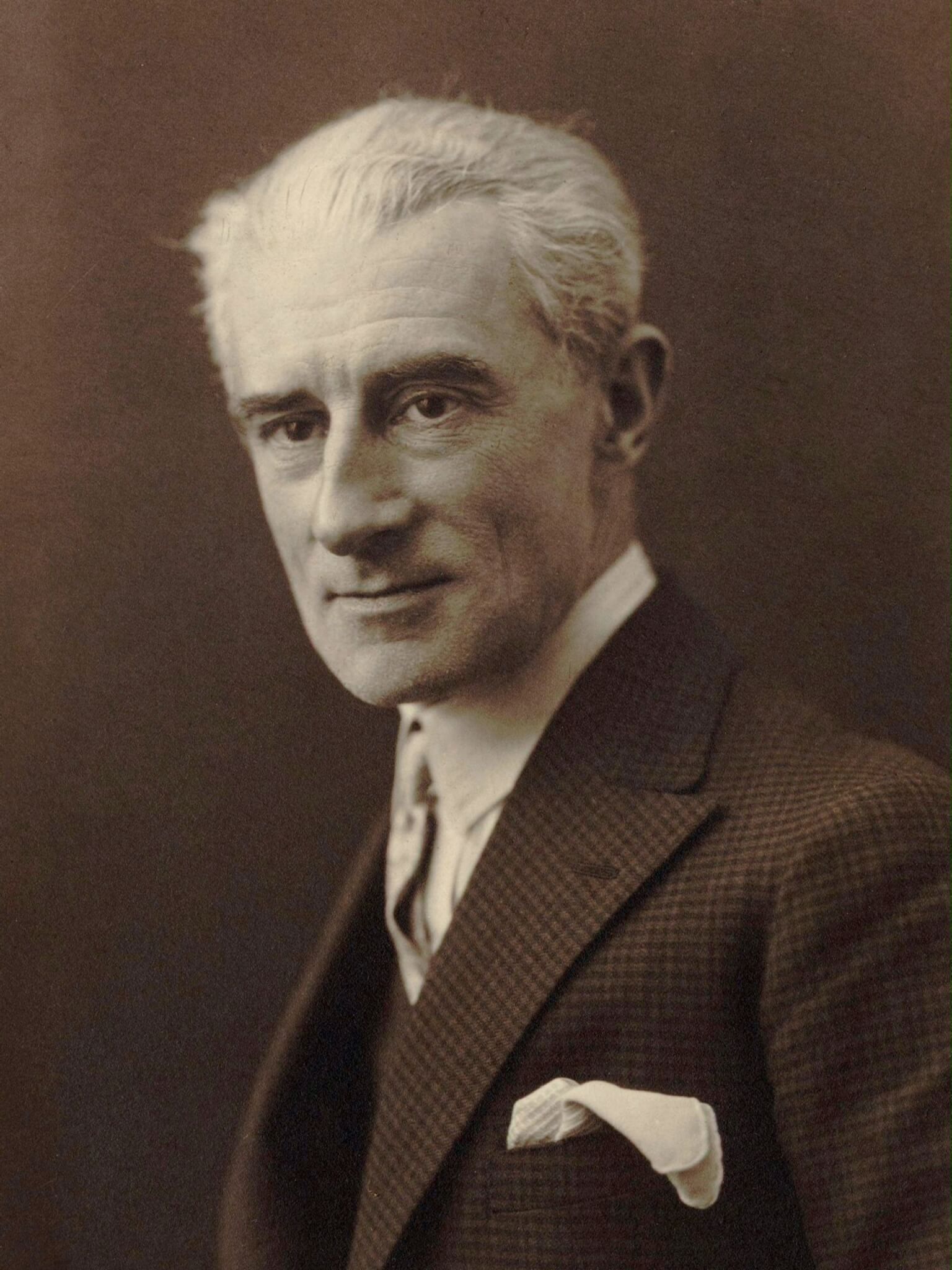
By Unknown author The image holder, the Bibliothèque nationale de France has not identified a photographer. (Follow link and click on “Detailed information”.) – Bibliothèque nationale de France, Public Domain, https://commons.wikimedia.org/w/index.php?curid=11402630
Maurice Ravel was a French composer, pianist, and conductor, often linked with musical Impressionism alongside Debussy. However, he rejected this label and developed a style prized for clarity, precision, and brilliant orchestration. By the 1920s and 1930s, he was widely regarded as France’s leading living composer.
Born in Ciboure and raised in Paris, Ravel studied at the Paris Conservatoire, where conservative attitudes and setbacks, including the Prix de Rome controversy of 1905, fuelled public scandal. Outside the institution, he forged his own path, combining French tradition with modern influences. Ravel became known as a meticulous craftsman who composed comparatively few works, but with unusually high refinement. He wrote major repertoire across piano music, chamber music, orchestral works, ballet, opera, and song. His most famous composition is Boléro (1928), built on repetition and a long crescendo. Other landmark works include Daphnis et Chloé and La valse. Ravel was an early advocate for recordings to widen audiences.