
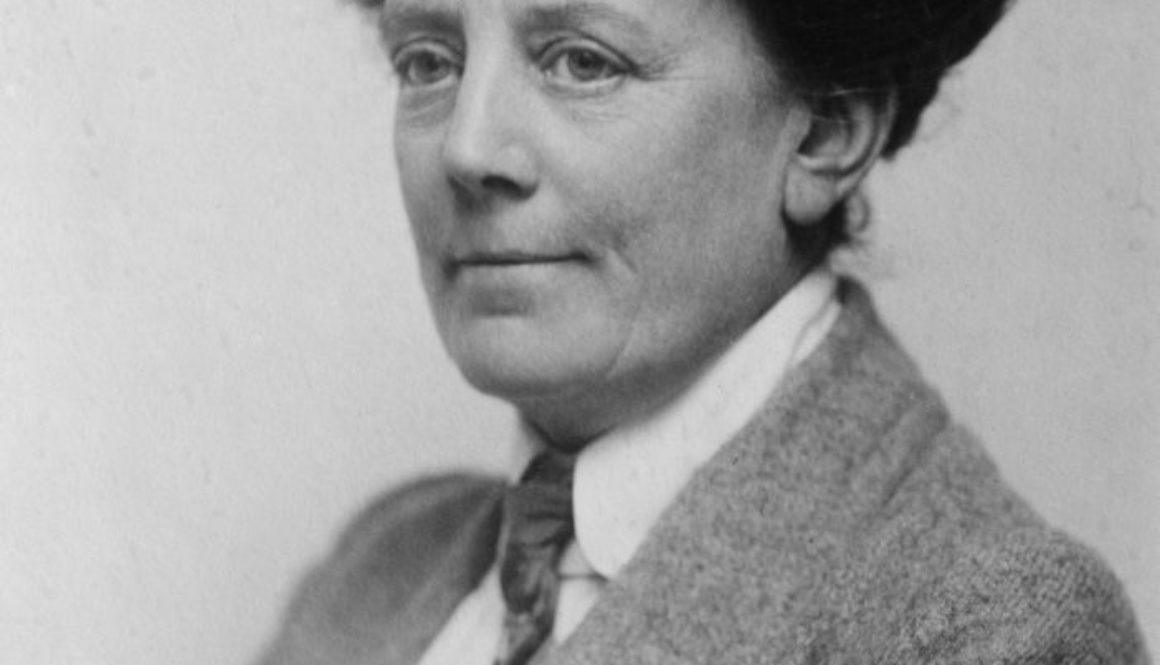
March 8th: Ethel Smyth (International Women’s Day)
Ethel Smyth 22 April 1858 – 8 May 1944
International Women's Day
Sonata for Cello & Piano in A Minor Op. 5: II. Adagio non troppo
The March Of The Women
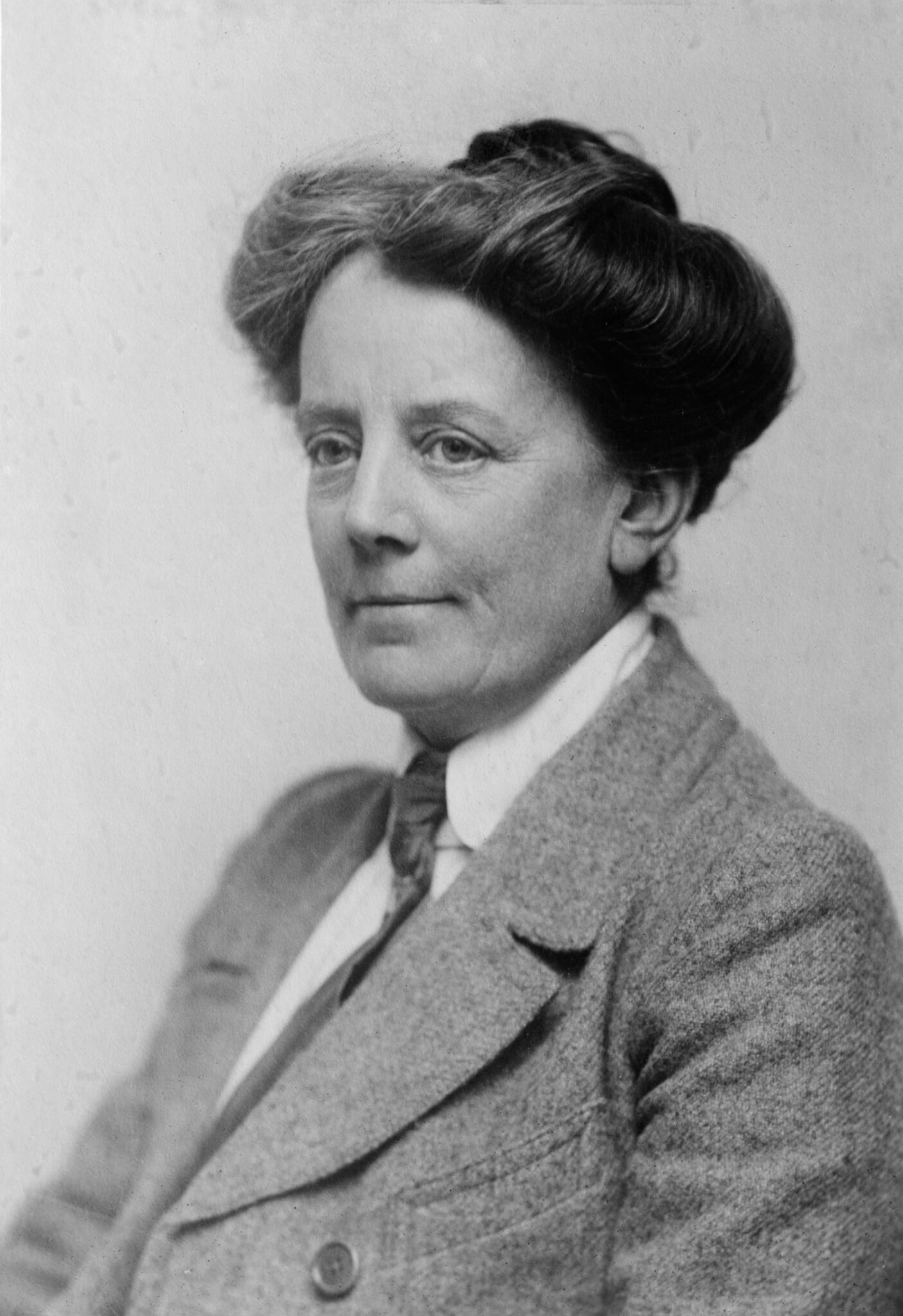
By Adam Cuerden – This image is available from the United States Library of Congress’s Prints and Photographs divisionunder the digital ID ggbain.33693.This tag does not indicate the copyright status of the attached work. A normal copyright tag is still required. See Commons:Licensing., Public Domain, https://commons.wikimedia.org/w/index.php?curid=6502824
“The March of the Women” is a powerful song composed by Ethel Smyth in 1910, with words by Cicely Hamilton. It became the anthem of the Women’s Social and Political Union (WSPU) and the women’s suffrage movement in the United Kingdom. Activists sang it at rallies and even in prison during hunger strikes, showcasing their determination for equal rights. Smyth based the melody on a traditional tune from Abruzzo, Italy, dedicating it to the WSPU. The song was first performed on 21 January 1911 by the Suffrage Choir in London. Emmeline Pankhurst introduced it as the WSPU’s official anthem. The song was significant during protests, including a famous performance in 1912 at Holloway Prison, where women activists sang while imprisoned. The march was also used in a large demonstration in Washington, D.C., in 1914. Smyth created various arrangements, including for choir and orchestra. The song remains a symbol of women’s rights and the ongoing fight for equality, inspiring future generations to advocate for social change.