June 4th
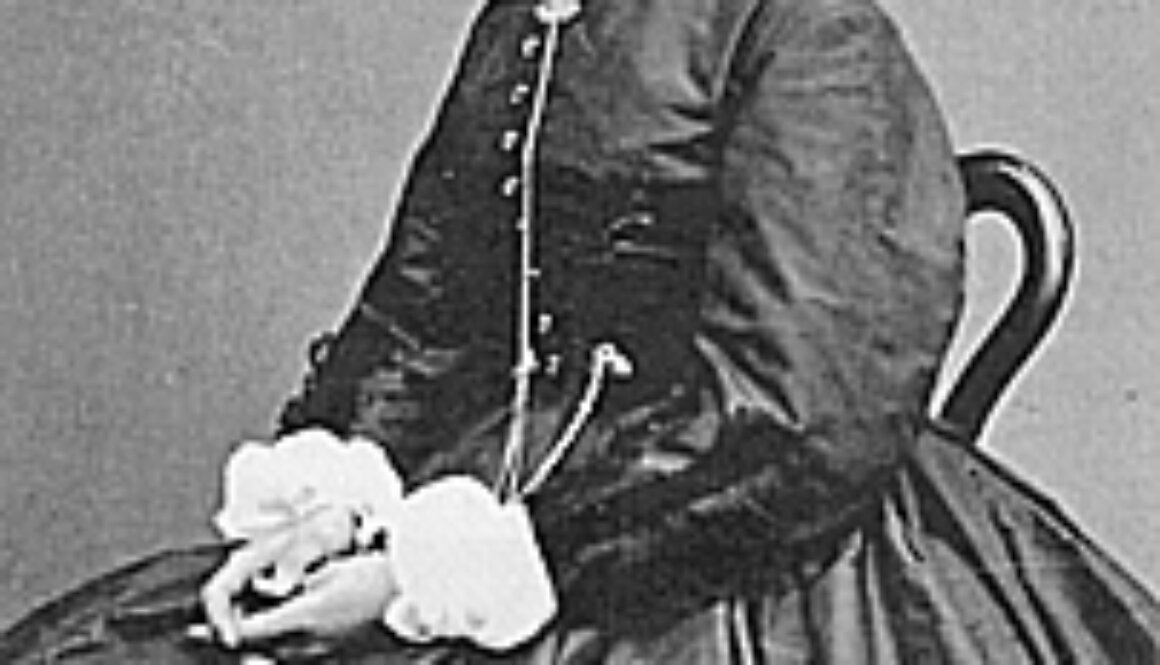
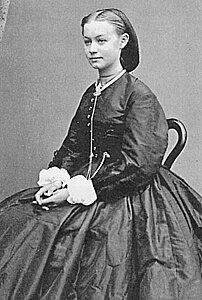
Agathe Backer Grøndahl 1 December 1847 – 4 June 1907
Suite Op.20
By Unknown author – http://www.ballade.no/nmi.nsf/doc/art2002040813533468742046, Public Domain, https://commons.wikimedia.org/w/index.php?curid=4488667
*Old Style (O.S.) and New Style (N.S.) indicate dating systems before and after a calendar change, respectively. Usually, they refer to the change from the Julian calendar to the Gregorian calendar as enacted in various European countries between 1582 and 1923.
Joseph Haydn was an important composer from Austria, known for his significant contributions to classical music. Born in 1732, he started to show his musical talent at a young age. Haydn worked for a noble family, the Esterházys, for many years, where he created many of his famous symphonies and string quartets. He is often called the “Father of the Symphony” and the “Father of the String Quartet” because of his innovative compositions that shaped these musical forms.
Haydn’s music is known for its lively and joyful character. He often used humour and surprise in his compositions, delighting audiences throughout Europe. Not only did he influence other composers like Mozart and Beethoven, but his work also laid the foundations for the music that followed in the Classical period. Although he did not seek fame, his contributions to music have made him a celebrated figure in history. Joseph Haydn passed away in 1809, but his music continues to be enjoyed by many today.
The video contains:
Marcel Dupré was a talented French composer and organist, celebrated for his exceptional skills in music. Born in 1886 in a small town called Rouen, he began playing the organ at a young age and showed remarkable talent. Dupré studied at the Paris Conservatoire, where he honed his craft and became a distinguished musician.
He is perhaps best known for his compositions for the organ, an instrument he loved dearly. Dupré wrote many pieces that are still performed today, including “Symphonie-Passion” and “Sixième Symphonie.” His works are characterised by their rich harmonies and intricate melodies, often inspired by his deep faith.
In addition to composing, Dupré was an influential teacher. He taught many students, sharing his passion for music and the organ. He toured the world, captivating audiences with his performances. Marcel Dupré’s legacy lives on, inspiring new generations of musicians to explore the beauty of the organ and its music.
Mily Balakirev was a Russian composer and pianist, born in 1837 in the city of Nizhny Novgorod. He is well known for being a key figure in the Russian nationalist music movement during the 19th century. Balakirev’s musical career began at a young age, and he studied under the guidance of several prominent musicians. He later became the leader of a group known as the “Mighty Handful,” which included famous composers like Rimsky-Korsakov and Borodin. They aimed to create a distinct Russian style of music that was different from Western European traditions.
Balakirev composed a variety of music, including orchestral works and piano pieces. His most famous composition is “Islamey,” a lively dance full of unique melodies and rich harmonies. Balakirev also worked as a conductor and greatly influenced many young musicians. He passed away in 1910, but his contributions to music continue to inspire and resonate with audiences around the world today.
*Old Style (O.S.) and New Style (N.S.) indicate dating systems before and after a calendar change, respectively. Usually, they refer to the change from the Julian calendar to the Gregorian calendar as enacted in various European countries between 1582 and 1923.
György Ligeti was a famous composer born in 1923 in Hungary. His music is known for being unique and innovative. As a young man, Ligeti faced many challenges, especially during World War II. He studied music in Hungary and later moved to Vienna, where he continued to develop his creative style.
Ligeti’s work is diverse, and he created music for various instruments and ensembles. One of his most famous pieces is “Lux Aeterna,” which is a choral work that gained popularity for its beauty and complexity. Ligeti often experimented with sounds, using unusual rhythms and harmonies, which made his music stand out.
Throughout his life, he received numerous awards for his contributions to contemporary music. Ligeti’s influence can be seen in films and concerts around the world, as his compositions continue to inspire musicians and audiences alike. He passed away in 2006, leaving behind a legacy that enriches the world of music.
Thea Musgrave is a renowned Scottish composer born in 1928. She has created many exciting pieces of music that are performed around the world. Musgrave studied at the University of Edinburgh and later at the Paris Conservatoire, where she honed her skills as a musician. Her music is known for its rich storytelling and emotional depth, often drawing inspiration from literature and history.
Throughout her career, Musgrave has composed for various ensembles, including orchestras, chamber groups, and even opera. One of her most famous works is “Theresa,” an opera based on the life of Saint Teresa of Ávila, showcasing her ability to blend drama with melody. Musgrave has received numerous awards for her contributions to music, highlighting her importance in contemporary classical music.
Even today, Thea Musgrave continues to compose, inspiring many young musicians with her creativity. Her dedication to music encourages us all to explore our artistic voices and to appreciate the beauty of sound.
Miles Davis was an influential American jazz musician, known for his incredible trumpet playing and innovative style. Born on May 26, 1926, in Alton, Illinois, Davis showed a passion for music from a young age. He studied at the Juilliard School in New York City but soon found his true calling in jazz.
Davis was a leader in the evolution of jazz music. He created several important albums, such as “Kind of Blue,” which is considered one of the greatest jazz records of all time. His music often blended different styles, including bebop, cool jazz, and jazz fusion, making him a versatile artist.
Throughout his career, Miles collaborated with many other famous musicians and inspired countless artists around the world. He was known for his unique sound and ability to push musical boundaries. Davis’s contributions to jazz helped shape its development, leaving a lasting legacy that continues to influence musicians today.