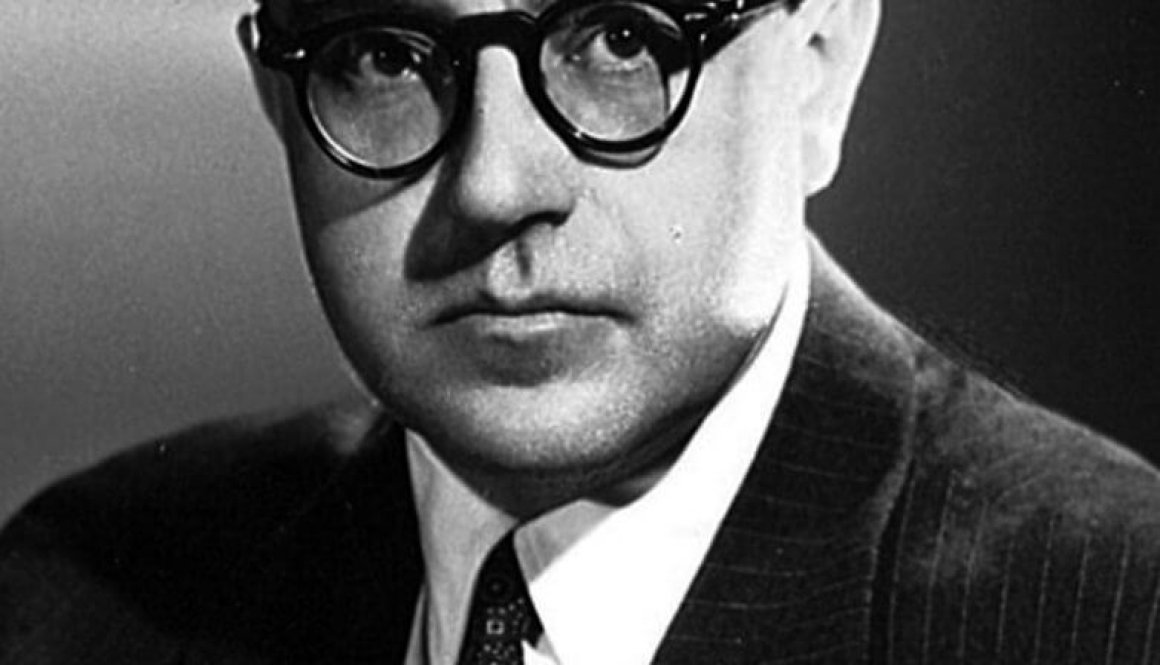
April 4th: Braulio Dueño Colón
Braulio Dueño Colón 26 March, 1854 – 4 April 1934
Teresa
Public Domain, https://en.wikipedia.org/w/index.php?curid=2472229
Sergei Rachmaninoff was a renowned Russian composer, virtuoso pianist, and conductor, celebrated as one of the last great Romantic composers. Born into an aristocratic family, he displayed remarkable musical talent from a young age, starting piano lessons at four. He trained at the Moscow Conservatory, graduating with highest honours after composing his opera Aleko at nineteen. Rachmaninoff faced a significant setback when his Symphony No. 1 premiered disastrously in 1897, leading to years of depression and writer’s block. With therapy, he recovered and created his beloved Piano Concerto No. 2. He composed three more piano concertos, the Rhapsody on a Theme of Paganini, three symphonies, and choral works like the All-Night Vigil. His music is known for sweeping melodies, rich harmonies, and emotional depth. After the Russian Revolution in 1917, he moved to the United States, focusing on his concert career while composing Symphony No. 3 and Symphonic Dances. Rachmaninoff passed away in California in 1943, remembered as a brilliant pianist and composer whose music embodies deep emotion and technical brilliance.
*Old Style (O.S.) and New Style (N.S.) indicate dating systems before and after a calendar change, respectively. Usually, they refer to the change from the Julian calendar to the Gregorian calendar as enacted in various European countries between 1582 and 1923.
Elizabeth Maconchy – Facts for Kids (KS2, KS3 & KS4)
Elizabeth Maconchy was a British composer known for her powerful string quartets. This page is part of our Composer of the Day series, designed for classroom music listening and learning.
Listen to her music and explore more below.
Dame Elizabeth Violet Maconchy LeFanu DBE was an English-Irish composer. She is regarded as one of the finest composers from Great Britain and Ireland. Born in Broxbourne, Hertfordshire, to Irish parents, Maconchy grew up in both England and Ireland. Her family moved to Ireland in 1917, where she began her musical studies. At sixteen, she enrolled at the Royal College of Music in London, studying under notable composers. Maconchy faced challenges as a female composer in a male-dominated field. She produced over 200 works, including string quartets and operas, showcasing her unique style influenced by Béla Bartók. Her string quartets are particularly celebrated, as they reflect a dialogue between individual voices. Maconchy was also an advocate for women in music, helping to organise concerts for new composers. Throughout her life, she received numerous awards, including being made a Dame Commander of the Order of the British Empire. Maconchy’s legacy continues to inspire musicians today, highlighting the importance of creativity and perseverance in the arts.
Listen to String Quartet No. 3.
Think about:
This biography links directly to our reading comprehension resources, designed for KS2 and KS3 classrooms.